

Land Clearing is the most important and initial step of any construction activity; however, most of the time, it is overlooked. Obviously, it is the preliminary phase of the residential housing estate or streamlining of the land to start infrastructure improvements. Houston land Clearing contractors follow careful planning and execution to meet targets.
US Construction is a United State’s renowned company that delivers precise operations of site Clearing from initial site assessment to final soil grading and leveling. Our competent experts understand that the stable foundation of any developmental activity is the backbone leading to get expected outcomes. This comprehensive exploration will give you deep insight into professional land Clearing types, procedures, considerations, and regulations.
What is Land Clearing?
Simply put, land Clearing removes unwanted vegetation, rocks, or other obstacles from the proposed land. It is a multidimensional and versatile process utilized for different purposes. Indeed, on the base of need, the activities are streamlined to achieve desired results. Here are some sectors or activities required for land Clearing operations:
- Construction Companies
- Real Estate Developers
- Agricultural Sector
- Forestry Companies
- Mining and Quarrying Companies
- Government and Municipalities
- Utility Companies
- Environmental and Conservation Organizations
- Transportation Companies
- Residential Homeowners
- Energy Sector
- Research and Educational Institutions
- Land Management Agencies
Where is Land Clearing Required?
The reasons behind land preparation are different. Hence, the adopted methodologies are also diverse. US Construction is a competent consultant who understands each project’s unique demands and needs and works accordingly. Here’s a detailed exploration of the factors behind each land Clearing process is discussed with technical aspects:
Agricultural Development
Obviously, land must be cleared to create arable land for grain production and pasture for livestock. Increasing agricultural lands and enhancing soil management for higher crop yields increases food production.
Maintaining adequate Clearing also helps with erosion management techniques like terracing and contour plowing. Soil testing to customize preparation methods and irrigation scheduling to guarantee efficient water management are essential.
Reliable Techniques
- Chainsaws are used to cut down trees and shrubs, while bulldozers fitted with root rakes or tree shears are used to remove stumps and roots.
- Stump grinding is reducing stumps below ground level by using stump grinders.
- Hydraulic hammers can crush boulders into smaller pieces, while rock pickers can be used for manual extraction.
- Plows, disc harrows, and tillers are tools used in soil preparation that turn, break up, and smooth the soil to prepare it for planting.
Construction and Infrastructure Development
Land Clearing is essential to prepare sites for roads and bridges, including residential, commercial, and industrial buildings. It guarantees a solid foundation, giving structures the basis to be structurally sound.
Additionally, clearing the soil makes accessing the site more accessible for construction tools and supplies. Therefore, it enables the installation of necessary utilities like sewage, gas, electricity, and water.
Reliable Techniques
- Important technical components include thorough topographical surveys to schedule clearing and building operations.
- Moreover, they conduct grading and compaction to produce a level and solid surface for foundations.
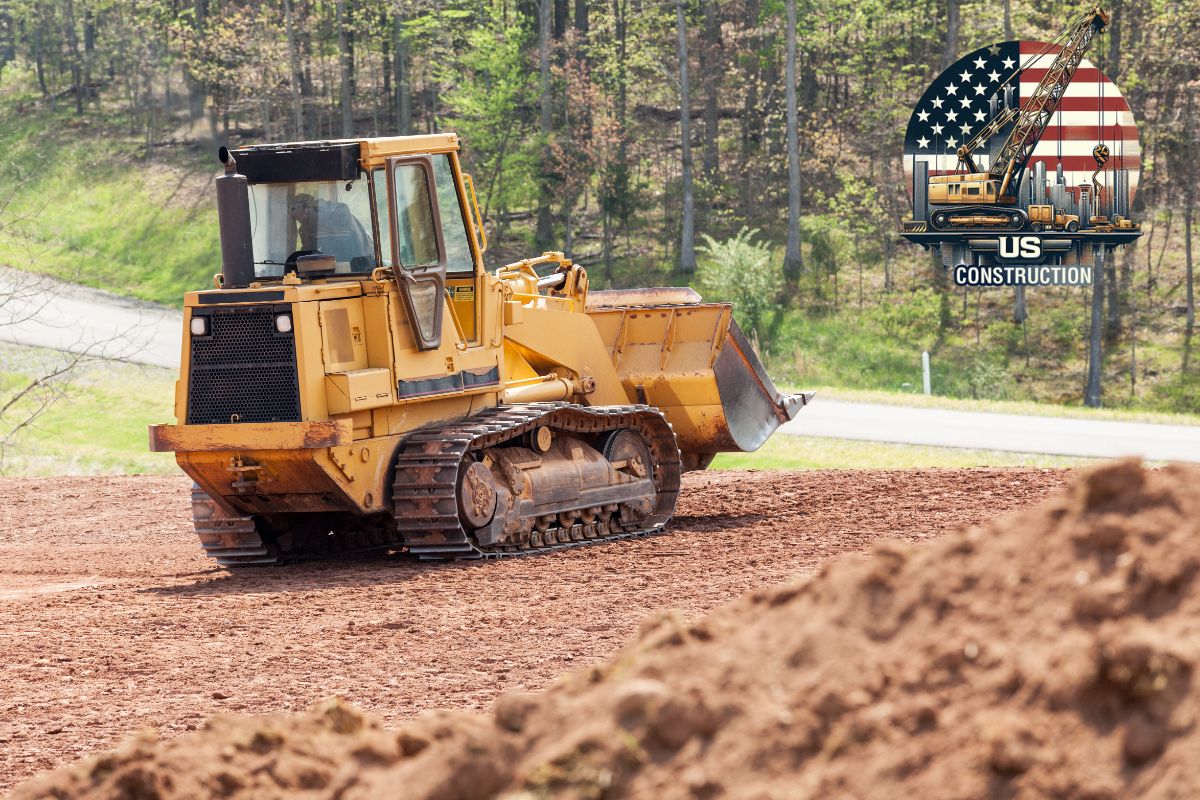
- In demolition, existing structures are disassembled with wrecking balls or excavators. After that, loaders and excavators are used to remove the debris. Bulldozers pile up rubble for vegetation Clearing.
Mining and Resource Extraction
Accessing mineral deposits and other natural resources requires support from the Houston land Clearing contractor. In fact, it increases operating efficiency by making room for mining equipment and transportation routes.
Also, proper Clearing improves safety and prevents landslides and other dangers. Blasting breaks up rock formations with controlled explosives. Likewise, Environmental Impact Assessments (EIA) assess possible environmental consequences and prepare suitable mitigation measures.
Reliable Techniques
- Excavators and transport trucks are definitely used to remove the rock and dirt covering mineral deposits.
- Moreover, the blast technique is used to drill rocks with rigs. These holes must then be packed with explosives and set off, shattering the rock.
- Bulldozers and graders are used to construct access roads to guarantee that the mining site is accessible.
Urban and Regional Development
Indeed, to accommodate growing populations and promote economic development, land Clearing for urban expansion is essential. It encourages the development of public spaces, commercial buildings, and housing, strengthening regional economies. Likewise, proper Clearing makes constructing public utilities and transportation networks possible.
Zoning and land use planning are important technical components to compliance with local requirements and urban rules. Sustainable practices incorporating green areas and encouraging eco-friendly building techniques are also essential.
Reliable Techniques
- Site surveys sketch the area that needs to be cleared using GPS and total stations.
- Clearing trees and bushes involves using mulchers, bulldozers, and chainsaws to cut and remove vegetation.
- Soil remediation uses excavators and testing kits to remove or clean contaminated soil for safe building.
- Trenchers and backhoes must be used to build gas, electricity, and water utility lines.
Environmental Restoration and Conservation
Of course, restoring natural habitats and ecosystems is the primary goal of land removal for habitat restoration and preservation. Additionally, it preserves biodiversity. It entails eliminating alien species and reintroducing native plants. Reclaiming land to improve watershed health and restore natural water flow also helps manage water. It also enhances ecosystem services like water purification, soil fertility, and carbon sequestration.
Reliable Techniques
- Obviously, herbicides, hand tools, and mechanical mulchers are used to remove invasive species.
- Bulldozers and graders are used in soil recontouring to restructure the terrain and restore natural water flow and habitat structure.
- Utilizing hand planters and seed drills, native species planting helps to restore native plants and wildlife.
Disaster Mitigation and Management
Indeed, strategic steps are needed to improve safety and resilience to lessen the danger and effect of natural catastrophes through land Clearing. Obviously, clearing ground for firebreaks lowers the risk of wildfires spreading. Moreover, eliminating obstacles from floodplains lowers the likelihood of flooding.
Furthermore, landslide risk is reduced by clearing and stabilizing slopes. Therefore, efficient planning and mitigation actions are needed to evaluate slope stability and landslide risks. Well, the carrying out hydrological studies to examine water flow and flood hazards and geotechnical investigations
Type of Land Clearing Operations in Houston, Texas
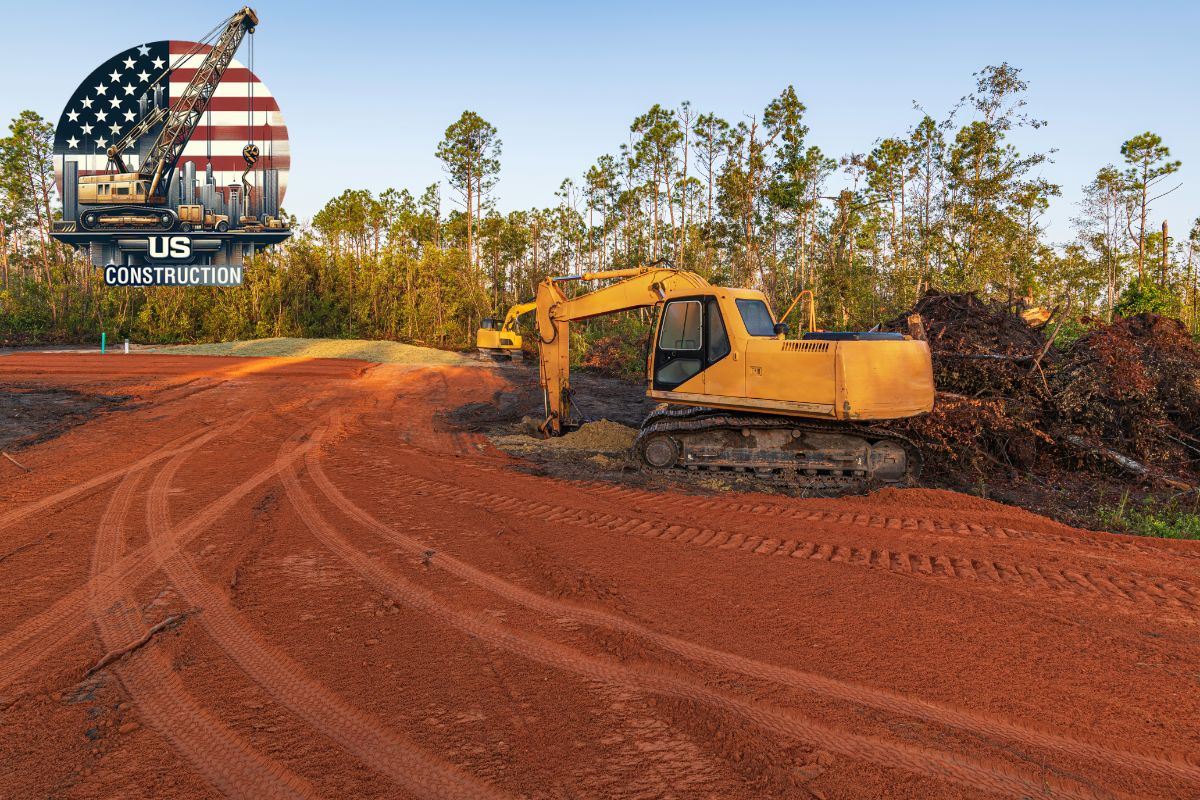
US Construction company has adequate skill sets and technical support to conduct tailored solutions for land preparations. Of course, the type of technique and tools depends on the site conditions, specific objectives, and regulatory requirements. We provide technical insights on the frequently adopted practices:
Manual Clearing
Conversely, manual approaches are utilized for small-scale projects and detailed labor in places where machinery cannot be used. Hand tools are used for digging, clearing debris, and cutting plants. Examples of these instruments are shovels, hoes, machetes, and axes.
Trees and huge shrubs are felled with chainsaws. Skilled workers must manually clear small trees and bushes. Due to its labor- and time-intensive nature, this method works well in delicate or small spaces where accuracy and care are crucial.
Mechanical Clearing
Houston land Clearing contractors have adopted mechanical techniques for large-scale projects that call for quick and effective Clearing. Bulldozers with universal blades (U-Blades) can move a lot of material. At the same time, straight blades (S-Blades) are best for ditching and fine grading.
Moreover, excavators use hydraulic breakers to break up rocks and concrete and grapple to handle big waste. They conduct excavating, lifting, and removing stumps and rocks.
However, drum mulchers are best suited for miniature trees and dense vegetation, while disc mulchers are better for lighter vegetation. Mulchers are placed on excavators or tractors and grind vegetation into mulch.
Motor graders are used to press and cut material with a moldboard blade to level and smooth the ground’s surface. These methods are highly effective at covering huge areas. However, they may negatively influence the ecosystem and soil disturbance.
Chemical Clearing
Additionally, herbicides are used to manage or eradicate plants in regions that are difficult to access mechanically. Herbicides are sprayed directly onto plant leaves in foliar spray treatment or blended into the soil to inhibit regrowth in soil application.
In fact, these are the two primary methods of applying these chemicals. Herbicides help manage invasive species, but environmental dangers are associated with them. They are prone to contaminated soil and unintentional harm to non-target species.
Burning
Controlled burns are designed to remove a lot of vegetation quickly. They have purposefully started fires that skilled professionals supervise. Obviously, reliable methods include backburning, which starts tiny flames ahead of the central fire to lessen the fuel load.
Secondly comes installing firebreaks, cleared strips of land intended to contain the fire. Environmental standards govern controlled burning and necessitate meticulous planning and supervision to avoid unintentional spread.
Blasting
Of course, planned explosives are used to remove complex obstructions and rock formations. Drilling and blasting are two methods that include boring holes into the rock, packing them with explosives, and breaking them apart.
Controlled blasting—a technique that reduces vibration and debris spread—is frequently employed in urban areas. However, constructor permits, specific knowledge, and careful consideration of safety and environmental factors are required for this process.
Stump Removal
After the vegetation has been cleared, stump grinders and excavators with attachments remove tree stumps and roots. Stump grinders grind down to a depth of below ground. In fact, they come in two varieties. First are horizontal grinders for large-scale operations and vertical grinders for precision in tight locations.
Stump extraction is done with excavators that have grapples or root rakes attached. Obviously, soil stabilization may be necessary following removal to ensure adequate land preparation. Importantly, this technique is crucial for preparing the land for future uses.
Soil Preparation
Experts definitely use different processes to prepare cleared land for construction, agriculture, or restoration. When plowing, the soil is turned over to bury vegetation and increase aeration. Moldboard plows are used for deep plowing, while chisel plows are used for less soil disturbance.
With disc harrows integrating organic matter and spring harrows optimized for lighter soil preparation, harrowing breaks up soil to smooth surfaces. Furthermore, rotary tillers are used for small-scale operations, garden plots, and power tillers for more extensive areas and deeper tilling.
Conversely, tilling mixes and aerates the soil to create a fine seedbed. This preparation is essential to encourage healthy plant growth, and erosion control techniques could be required.
Grading and Leveling
Graders and laser grading methods produce a level and stable surface for farming. Graders are used to make a smooth surface. The long blade allows for exact control thanks to moldboard adjustments.
With laser receivers installed on grading apparatuses to guarantee accuracy, laser grading uses laser technology. This procedure depends on building roads, laying construction foundations, and ensuring adequate water drainage.
Environmental and Regulatory Compliance
In Houston, Texas, several methods are employed for land Clearing to abide by environmental rules and regulations. Remarkably, Environmental Impact Assessments (EIAs) detect potential effects and provide mitigation options. Baseline studies analyze the state of the environment before Clearing.
However, impact analyses identify potential impacts and suggest mitigation solutions. Erosion control techniques are also used to stop soil erosion. For example, retaining walls are used to stabilize slopes and prevent erosion. Moreover, silt fences are used as temporary barriers to stop sediment runoff. These procedures are essential for guaranteeing sustainable land use and safeguarding natural resources.
Tools And Equipment Used in Land Clearing
Land Clearing operations require various tools and equipment to efficiently and effectively clear vegetation, debris, and other obstacles. Here is a detailed exploration of the main tools and equipment used:
Manual Tools
| Tool Name | Used for | Major Types |
| Axes | chopping down trees and large branches | Felling axes cut trees and splitting axes to split wood. |
| Machetes | Tools with long blades to cut small branches and dense vegetation | cane machetes and Bush machetes |
| Shovels | for digging and moving debris | Round-point shovels to dig and square-point shovels for lifting |
| Hoes | breaking soil, removing weeds, and shaping land | stirrup hoes and draw hoes |
Power Tools
| Tool Name | Used for | Major Types |
| Chainsaws | cut down thick trees and large shrubs | heavy-duty tasks, Gas-powered chainsaws, and lighter tasks, electric chainsaws |
| Brush Cutters | cut grass weeds, and trim bushes | electric brush cutters and gas-powered brush cutters |
Heavy Machinery
| Tool Name | Used for | Other Details |
| Bulldozers | pushing large quantities of soil, rock, and other materials | Blades: Straight blade, universal blade, and semi-U blade. Attachments: Root rakes and tree shears |
| Excavators | for digging, lifting, and removing aggregates | Buckets: Standard buckets, trenching buckets, grading buckets. Attachments: Hydraulic breakers, grapples, augers. |
| Graders | long blade to create a flat surface | Features: Moldboard and scarifiers. Rollers are used for soil compaction to develop a stable base. Types: Padfoot rollers and smooth drum rollers |
Specialized Equipment
| Tool Name | Used for | Other Details |
| Mulchers | grind vegetation into mulch | Types: Drum mulchers and disc mulchers
Mounting Options: Over excavator or tractor. |
| Stump Grinders | grind stumps down to below-ground level | Types: Horizontal grinders and vertical grinders.
Rock Pickers: are attached to collect and remove rocks. |
| Hydraulic Breakers | breaking up rock and concrete | Excavator-mounted and skid steer-mounted |
Agricultural Equipment
| Tool Name | Used for | Other Details |
| Plows | for turning over soil to improve soil aeration | Types: Mouldboard plows and chisel plows. |
| Disc Harrows | breaking up clods of soil | Types: Offset disc harrows and tandem disc harrows. |
| Tillers | mixing and aerating soil | Types: Rotary tillers and power tillers. |
| Seed Drills | plant seeds at the correct spacing | Types: Conventional seed drills and no-till seed drills. |
Surveying and Planning Tools
| Tool Name | Used for |
| Total Stations | Surveying equipment is used to measure site angles and plant distances accurately. |
| GPS Devices | precise location mapping and site planning |
| Laser Levels | leveling and grading during land Clearing |
Chemical Application Tools
| Tool Name | Used for | Other Details |
| Sprayers | applying herbicides to control vegetation | Types: Backpack sprayers and boom sprayers.
Herbicides: Chemicals to kill annoying vegetation. |
Fire Management Tools
| Tool Name | Used for |
| Drip Torches | controlled burns by dripping fuel onto the site |
| Firebreak Plows | create cleared strips of land and put on selective fire |
| Water Pumps and Hoses | controlling and extinguishing burns. |
Blasting Equipment
| Tool Name | Used for | Other Details |
| Drilling Rigs | drilling holes in rock formations to conduct explosion | Types: Rotary drilling rigs and percussion drilling rigs. |
| Explosives: | break up rock and hard material | Types: Dynamite and Ammonium Nitrate Fuel Oil. |
Environmental Protection Equipment
| Tool Name | Used for |
| Silt Fences | Temporary barriers to control sediment and runoff. |
| Erosion Control Mats | stabilize soil and prevent erosion. |
| Retaining Walls | built to stabilize slopes and stop soil movement |
Special Consideration to Conduct Land Clearing in Houston
In fact, to guarantee safety, effectiveness, regulatory compliance, and the least possible negative impact on the environment, Contact us. We are reliable Houston land Clearing contractors who carefully plan and consider numerous elements. These are the main points to remember:
Environmental Impact Assessment (EIA)
Obviously, several elements are included in the process to assess the possible environmental effects of land Clearing operations. Baseline investigations evaluate the current state of the environment and serve as a basis for further investigation. In fact, forecasting the possible environmental effects of the Clearing operations is part of impact prediction.
However, mitigation steps are suggested to be taken to lessen negative impacts. Regulations also guarantee adherence to national, regional, and local environmental laws, protecting the environment and encouraging sustainable behaviors.
Permits and Approvals
Any land use change requires a permit, particularly in sensitive or protected zones. Additionally, permission is needed to cut down trees, especially in urban or forested areas.
Moreover, licenses are needed for controlled burning to avoid air pollution and wildfires. Using explosives requires blast authorization, which guarantees both safety and legal compliance.
Site Surveys and Planning
In fact, the topographical surveys evaluate the topography and physical characteristics of the land, giving details regarding contours and elevations. In order to make sure the ground can support planned operations, soil surveys must be conducted to establish the composition. Furthermore, it provides data on the stability and appropriateness of the soil for the intended use.
Hydrological studies are essential for appropriate land management and development. It can assess water flow patterns, drainage, and potential flooding concerns. The experts conduct archaeology surveys to preserve significant cultural and historical assets during land Clearing and building projects to locate and safeguard any historical or cultural sites.
Safety Considerations
Houston land Clearing contractors follow several precautions to guarantee safety in their operations. Indeed, all staff members must receive training on operating equipment safely and handling emergencies. The safety of workers is guaranteed by the provision and enforcement of personal protective equipment (PPE). They cover steel-toed boots, gloves, helmets, and eye protection.
Accidents can be avoided by recognizing and reducing potential risks, such as unstable terrain, hazardous items, and wildlife encounters. Furthermore, it creates and carries out emergency response plans. It also includes evacuation protocols, fire suppression, and first aid—essential to properly handling crises.
Equipment Selection and Maintenance
For safe and effective operations, the right machinery must be chosen for the given duties and site conditions. Equipment is kept in safe operating condition by performing routine maintenance and inspections. When fuel and lubricants are handled and stored correctly, spillage and contamination can be avoided, safeguarding the environment and workers.
Erosion and Sediment Control
In fact, erosion management techniques like retaining walls, silt fences, and erosion control mats must be used to stop soil erosion. Reducing runoff and stabilizing soil can be achieved by maintaining or planting vegetative buffers.
Moreover, planning and developing appropriate drainage systems control water flow and sedimentation. Obviously, to prevent erosion and environmental damage to the surrounding region and the land itself, water management is paramount.
Wildlife and Habitat Protection
Wildlife surveys are carried out to determine whether any protected or endangered species exist. Therefore, organize operations that cause the least amount of disruption. Indeed, habitat conservation saves important habitats by establishing buffer zones and limiting clearing in vulnerable areas.
However, seasonal limitations are implemented to minimize the damage to wildlife and their habitats. These practices must plan Clearing efforts outside crucial times, such as breeding or migrating seasons.
Community and Stakeholder Engagement
Importantly, it is imperative to involve stakeholders and local communities and tell them about the project and resolve their problems. Mechanisms for settling conflicts and handling complaints from impacted parties should be established.
Furthermore, conducting a thorough social impact assessment is crucial to identify and mitigate the social repercussions of nearby communities.
Sustainable Practices
An experienced Houston land Clearing expert, US Construction lessens environmental impact by implementing selective Clearing. Recycling and reusing cleared vegetation and waste are additional ways to control environmental impact. We use the vegetation residues as biomass for energy generation or mulch for erosion prevention.
Monitoring and Evaluation
Obviously, throughout the Clearing process, continuous observation of the safety and environmental conditions is crucial. Another parameter is measuring the overall project impact and the effectiveness of mitigation strategies. In fact, it establishes key performance indicators (KPIs). It’s also critical to be ready to adapt management strategies in response to stakeholder feedback.
Nuisance Concerns Houston Land Clearing Contractors Manage
In Houston, the local environmental conditions are hot and moist. Therefore, the constructors should adopt selective management plans for land Clearing projects. The common issues created by these operations are severe impacts on the local environment, wildlife, and neighboring residents. However, effective management of these issues is essential to control.
Noise Pollution
One of the significant concerns near the project site is the high noise levels of heavy equipment, like chainsaws, excavators, and bulldozers. Moreover, blasts produced by using explosives to remove rock are noisy. Continuous mechanical activity can annoy surrounding homeowners and wildlife, exacerbating operational noise problems.
Management Strategies
- Indeed, shift placement and time limitations should be implemented to manage noise concerns. This will minimize annoyance during early morning or late evening hours by restricting noisy activities to the day.
- Sound can be blocked and absorbed by installing berms or noise barriers.
- Moreover, to guarantee silent operation, machinery must be regularly maintained.
- Additionally, noise levels can be further decreased by utilizing low-noise equipment for quieter operation.
Dust and Air Pollution
Concerns about Dust pollution are common in construction operations, soil movement, and vegetation Clearing. Moreover, all these activities raise air pollution and diseases. Air quality is further impacted by exhaust fumes produced by machinery and transport vehicle emissions.
Management Strategies
- Water spraying should be done often on dirt roads, exposed soil, and debris heaps to reduce dust formation.
- Chemical dust suppressants can be applied in high-traffic areas to reduce dust further. Stabilizing soil can be achieved by replanting as soon as possible and preserving vegetation cover for as long as feasible.
- Air pollution from vehicle emissions can also be reduced by employing equipment with appropriate emission controls and maintaining it regularly.
Vibration
Obviously, vibrations from blasting can have an impact on surrounding structures and annoy neighboring residents. Similar vibrations are produced when large machinery operates, which can be very bothersome in cities.
Management Strategies
- Before blasting, pre-blast surveys should be carried out to evaluate the state of surrounding structures to allay vibration worries.
- Controlled or micro-blasting procedures might be utilized to reduce the impact of vibration.
- Vibrations can also be decreased by choosing machinery with vibration-dampening features and procedures.
- Establishing buffer zones around sensitive structures can reduce vibration’s adverse effects on neighboring areas.
Water Pollution
Of course, clearing land can result from increased soil erosion and sediment runoff into aquatic bodies. Water sources may also be chemically contaminated by pesticides, herbicides, and even fuel leaks.
Management Strategies
- Silt fences and sediment barriers should be erected to regulate sediment runoff and chemical contamination by preventing runoff into water bodies.
- Riparian buffers, or vegetated buffer zones, should be kept along rivers to filter runoff.
- Soil stabilization should be achieved by using erosion control techniques like terraces, cover crops, and erosion control mats.
- Furthermore, lowering the risk of contamination can be achieved by putting spill containment systems in place and, whenever possible, utilizing environmentally friendly chemicals.
Light Pollution
Bright lights used for nighttime operations can disturb nearby residents and wildlife. US Construction is an accredited Houston land Clearing contractor that manages environmental factors.
Management Strategies
- Use shielded lighting fixtures that reduce glare and direct light downward to minimize distraction from worksite illumination.
- By adding motion sensors, lighting can be restricted to only the sections that are in use.
- To further reduce the influence of artificial illumination on the adjacent population and wildlife, limit its use to necessary hours and places.
Traffic Disruption
Conveniently, there is a greater chance of accidents and traffic congestion when equipment, materials, and debris are transported. In addition, local roads and infrastructure may sustain damage from huge vehicles.
Management Strategies
- Create and implement traffic management plans to coordinate vehicle movements and reduce interruptions to address rising traffic and road damage concerns.
- Adopt alternative routes to clear off crowded places. Roadways utilized by heavy trucks should be routinely inspected and repaired to preserve infrastructure.
- Put up conspicuous signage to alert people of possible delays and road conditions.
Wildlife Disturbance
Wildlife eviction and habitat degradation are two expected consequences of land clearing. Furthermore, noise and light disruptions can potentially alter the behavior of wildlife.
Management Strategies
- Identify and conserve essential ecosystems and species by conducting wildlife surveys to combat habitat loss and disturbance of animals.
- Moreover, buffer zones surrounding sensitive habitats should be created to reduce the effect.
- Put in place seasonal limitations to avoid scheduling Clearing operations during crucial times for nesting and breeding.
- Plan for habitat construction and restoration after the clearing phase to aid in recovering impacted ecosystems.
Permits and Licenses Required for Land Clearing Operation
Obviously, Houston-based construction companies must obtain permits and licenses to conduct land Clearing operations legally and safely. US Construction is a registered consultant and contractor with years of practical experience. Here’s a comprehensive list of the necessary permits and licenses:
General Business Licenses
A company must get a business operating license to operate in Houston legally. Notably, a contractor’s license appropriate for the construction and Clearing work is also required.
Land Use and Zoning Permits
Simply put, a zoning permit guarantees compliance with the land Clearing operation, local zoning laws, and land use restrictions. Furthermore, the regional planning and zoning authority approves the site plan.
Environmental Permits
The possible environmental effects of the land removal are assessed using an environmental impact assessment (EIA). A Stormwater Pollution Prevention Plan (SWPPP) is necessary to control and lessen stormwater flow during and after land Clearing operations. Permission from the U.S. Army Corps of Engineers might be required if the project affects wetlands.
Air Quality Permits
Houston land Clearing constructors must monitor and regulate dust emissions from land Clearing operations. Likewise, an emission permit is needed to operate machinery and equipment that releases pollutants into the atmosphere.
Water Resource Permits
Furthermore, constructors using water resources or diversion of their channels require authentic permits. Stormwater and pollutant discharge into surface waterways need a National Pollutant Discharge Elimination System (NPDES) permit. In addition, if the land Clearing occurs inside a designated floodplain area, a floodplain development permit is required.
Waste Management Permits
A solid waste disposal permit is needed to dispose of plants, debris, and other waste products produced during land Clearing. Conversely, a hazardous waste permit is required if the project creates or handles dangerous waste items.
Public Works and Utility Permits
To enter or work in public rights-of-way, they need a right-of-way permit. Utility Disconnection or Reconnection Permits are affected by land Clearing securely.
Noise and Light Permits
Indeed, if noise levels surpass municipal regulations, a Noise Control Permit is needed. In addition, if artificial lighting affects the neighborhoods, especially during operations at night, a Light Pollution Permit is required.
Why Choose US Construction Company in Houston, Texas
Choosing our approved and reliable construction company for land Clearing operations offers several distinct advantages. Here, we elaborate on some of the high points of our service to give a glimpse of our competence.
Regulatory Compliance
Understanding local, state, and federal rules, U.S Construction ensures land Clearing operations adhere to all laws. Our knowledge enables us to achieve the intricate licensing procedure, which entails safety, environmental effects, and land usage. Furthermore, our extensive expertise and background will allow us to oversee all legal requirements.
Environmental Considerations
Additionally, we have expertise in implementing Environmental Impact Assessments (EIAs) and mitigation plans to lessen adverse effects. Moreover, their dedication to sustainability guarantees to comply with legal requirements and conservation.
Advanced Technology and Equipment
We have innovative support from laser grading systems and GPS to increase productivity and accuracy. Additionally, we update the technical fleet to meet performance and security standards. These businesses can meet the most recent industry standards and produce excellent outcomes by incorporating contemporary technology and keeping up with equipment maintenance.
Project Management
Our experts excel in project management, right from initial planning to execution. Moreover, we ensure projects should be completed within the planned timeline and budget. Likewise, the personnel are competent in adopting and implementing robust risk management strategies to manage unforeseen site conditions and environmental concerns.
Community and Stakeholder Relations
Obviously, public engagement and effective communications with local inhabitants and stakeholders are good sources for understanding baseline details. Moreover, addressing concerns with the participation of nearby communities is quite an effective method.
Secure Your Land Clearing Project with Us
In summary, choosing a US Construction for land removal operations guarantees safety, environmental stewardship, compliance with regulations, and excellent project execution. Our outstanding expertise, cutting-edge equipment, and dedication to community involvement provide a solid basis for effective and successful land Clearing initiatives.
Are you ready to conduct a land-clearing job from a reputable American construction company? Please get in touch with us right now to discuss this with experts. They streamline each step to ensure everything runs smoothly, legally, and efficiently. Let’s prepare your construction site to support a solid base for future activities!
Leave A Comment